Cognitive decline is one of the major challenges in healthcare. Research shows that physical activity is one of the most powerful ways to slow this decline.
The relationship between movement and cognition
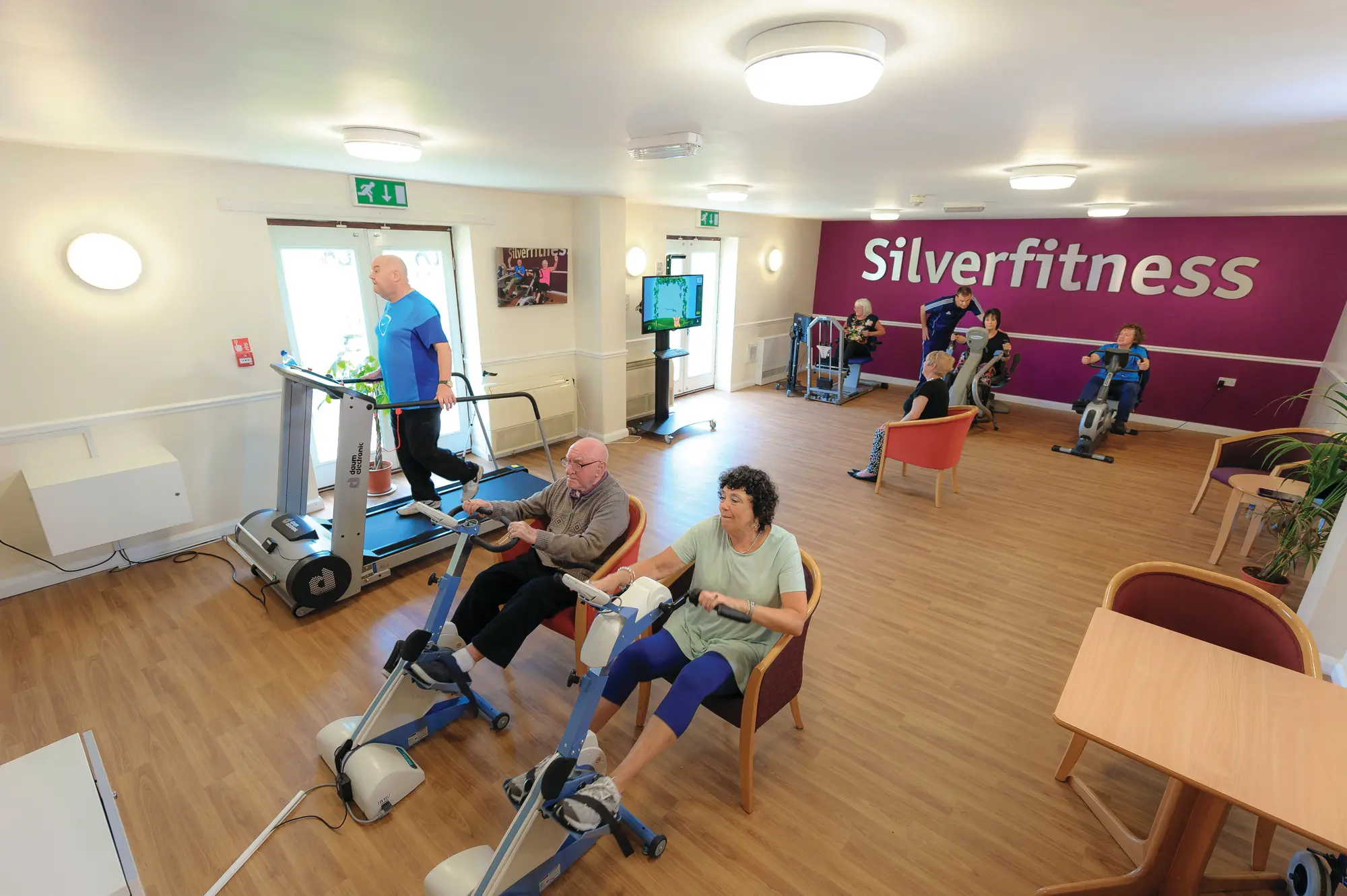
Regular physical activity has proven positive effects on the health and daily functioning of older adults. Equally important is its influence on cognitive processes. Movement supports attention, concentration, information processing and executive functions. These abilities have a direct impact on the independence of older adults.
The downward spiral of inactivity
When older adults are insufficiently active, a downward spiral often develops. Physical inactivity leads to loss of function and reduced self-reliance. At the same time, cognitive stimulation decreases, which accelerates mental decline. Targeted movement interventions can break this cycle.
Dual-task training as cognitive stimulation
An important mechanism behind the cognitive benefits of movement is dual-task training. Attention is divided between movement and a mental task, which actively trains the brain. Research by Zhu et al. (2023) showed that exergaming in older adults with cognitive vulnerability resulted in a measurable improvement in cognitive functioning, while the control group declined during the same period.
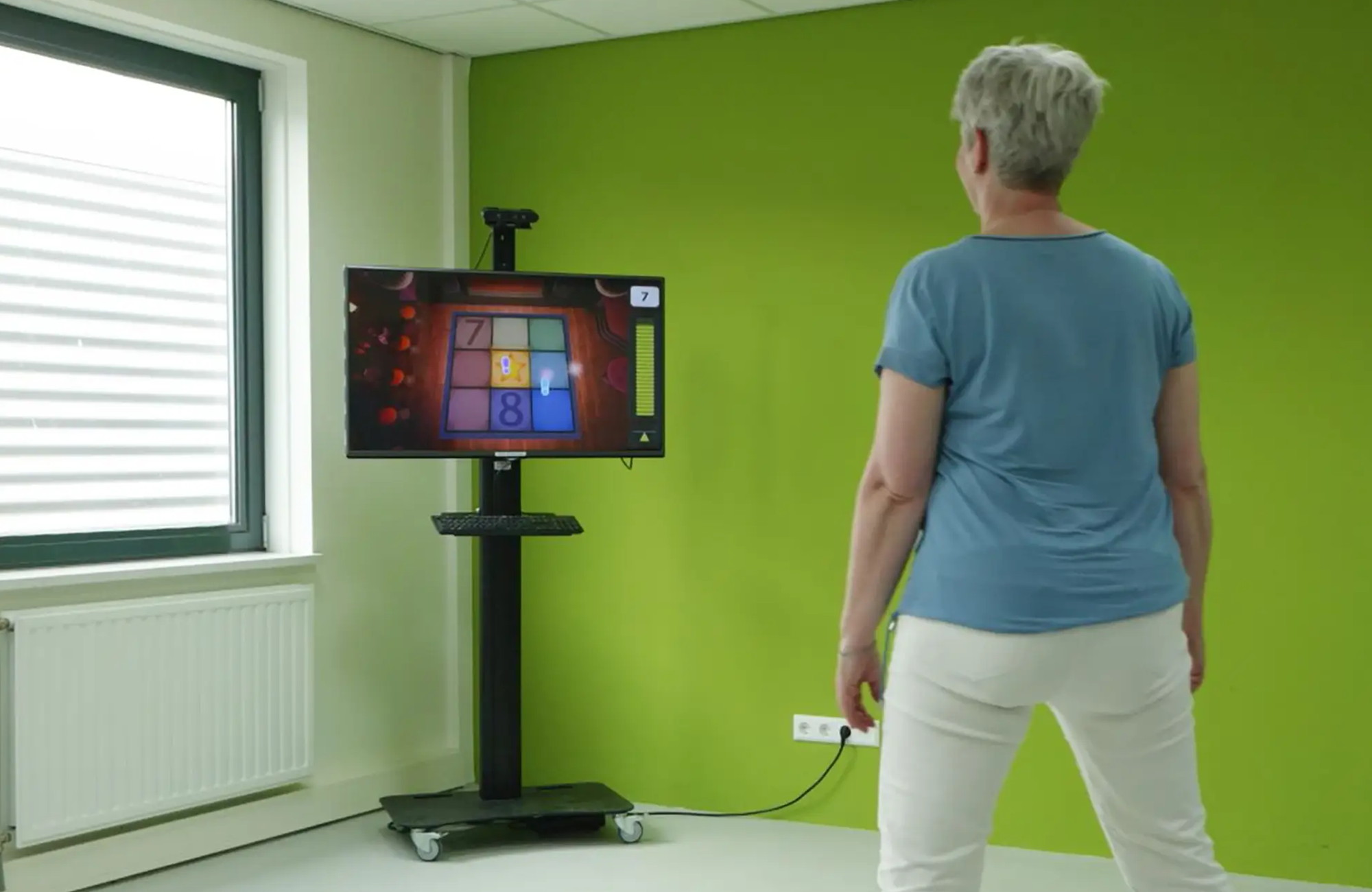
Virtual therapy formats such as SilverFit 3D make use of this principle. The client combines balance or arm movements with cognitive tasks within a game environment. The motivation to achieve a higher score encourages longer and more intensive training.
Exercises tailored for maximum effectiveness
Effective cognitive stimulation requires a person-centred approach. Every client has their own physical, cognitive and emotional starting point. Within SilverFit 3D, exercises can be adjusted to the level of the individual client. This is aligned with physical and cognitive abilities, sensory limitations and specific treatment goals.
The selection tool supports therapists in choosing exercises based on the starting position, type of movement and cognitive load. In this way, the intervention closely aligns with the individual care plan and prevents over- or underloading.
Cognitive activation in vulnerable clients
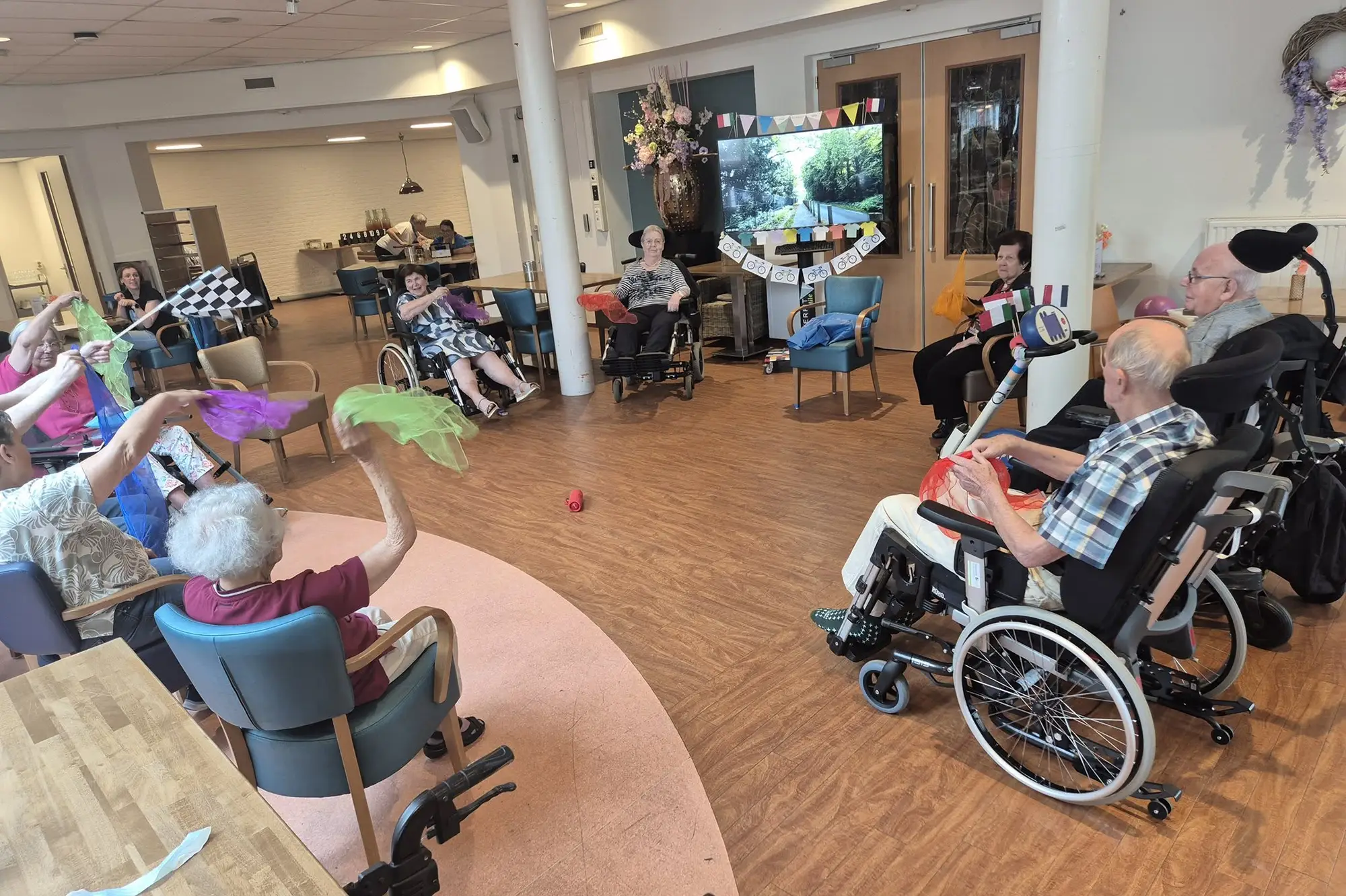
For clients with (early) cognitive impairment, accessible and positive activation is essential. The goal is not only to maintain function, but also to strengthen self-esteem and social involvement. Research by Schreiner et al. (2005) shows that residents with dementia experience enjoyment, laughter or positive emotions seven times more often during activities than during the rest of the day.
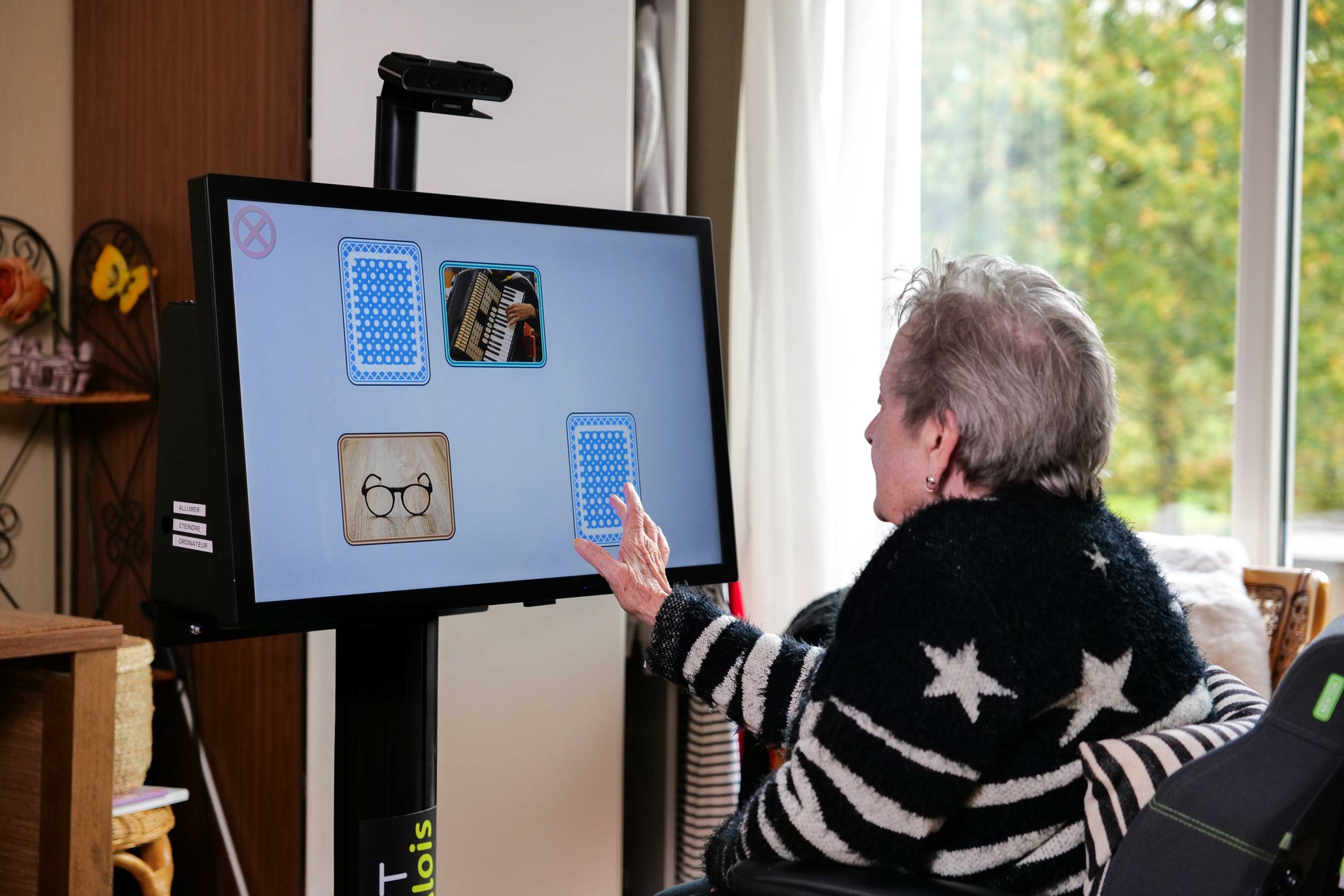
SilverFit Alois offers a wide range of activities in which movement, cognitive challenge, reminiscence and relaxation are combined. The exercises always provide positive feedback, which increases the sense of competence and encourages participation. In practice, some clients excel in activities such as mental arithmetic, which visibly strengthens their self-confidence.
From Activation to Quality of Life
By actively stimulating clients to move and providing cognitive challenges, independence can be maintained for longer and quality of life improves. Movement therefore becomes a strategic tool to strengthen the vitality, motivation and independence of older adults.